
Loading...
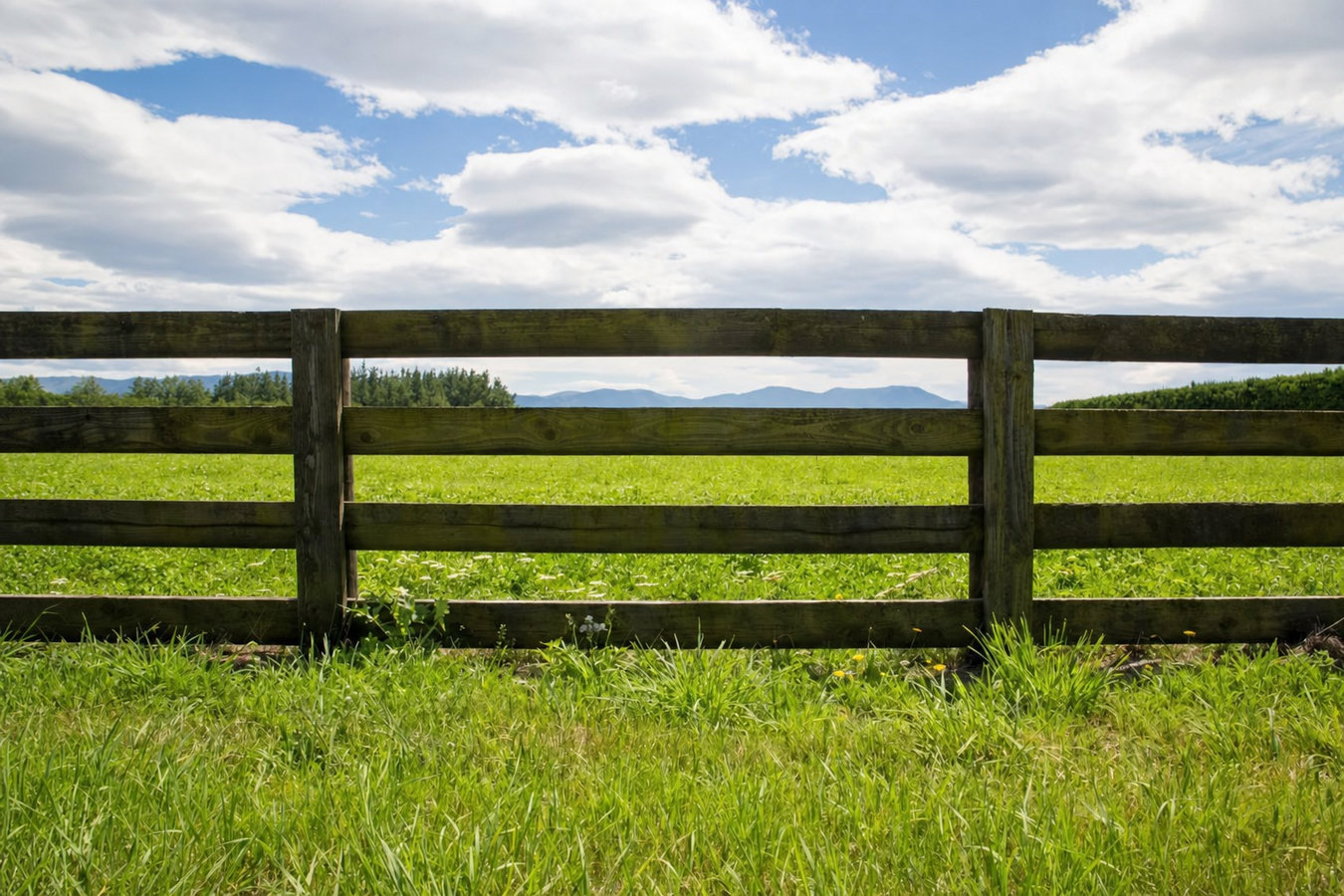
Rocky ground, clay soils, deer pressure, and vineyard land use - we build agricultural fencing in Paso Robles that handles what this terrain actually throws at it, from livestock perimeters to deer exclusion barriers.
Farm and ranch fencing in Paso Robles covers everything from livestock perimeters and cross-fencing to deer exclusion and vineyard barriers - most basic projects on a 10-acre property take a crew two to five days, with rocky terrain or steep slopes adding time. The right fence type depends on what animals you are managing, how much land you are enclosing, and whether you are also dealing with deer pressure from the oak-covered hills nearby. For properties that also need a secure area for dogs alongside working livestock, our pet and dog fencing service can be coordinated with a ranch fence project to keep everything consistent.
A well-built farm fence has posts that are plumb, wire that is evenly tensioned without sagging, and corners that are braced so the whole line does not pull inward over time. That sounds simple, but in the Paso Robles area - with its calcareous soils, fractured limestone at shallow depth, and intense seasonal ground movement - doing it right requires specific knowledge of what this land does to materials over time. A fence company that has worked this terrain before will account for those conditions upfront; one that has not will leave you with a fence that needs major attention in year two.
The UC Cooperative Extension publishes research-based guidance on livestock fencing and deer exclusion for California agricultural land - including design recommendations that reflect the specific conditions found in this region.
If you can push on a post and feel it move, or see it tilting away from vertical, the fence is no longer doing its job. In Paso Robles, clay soils expand and contract with the seasons, working posts loose over several years. A leaning post pulls the wire with it and eventually brings down a whole section.
If your animals are getting through, under, or over the fence, the fence has failed regardless of how it looks from the road. This is common on older properties where wire has stretched, staples have pulled free, or a section has been patched so many times it no longer holds tension. Repeated escapes mean the fence needs replacing, not more patches.
If you are finding deer tracks, browsed plants, or damage inside a fenced area, your current fence is not tall enough or has gaps deer are exploiting. This is a very common problem for Paso Robles property owners near the oak-covered hills. Deer pressure here is consistent enough that a fence designed specifically to exclude them is often worth the investment.
If you have recently purchased acreage in the Paso Robles area and the property lines are not marked by any physical barrier, you have no way to manage livestock, control access, or prevent disputes with neighbors. A proper perimeter fence is the foundation everything else builds on.
We install woven wire, barbed wire, high-tensile wire, and wood post-and-rail fencing - each suited to different animals and uses. Cattle need something sturdier than horses, and horses need more visibility so they do not run into the fence. For vineyard and garden properties dealing with deer, we build taller perimeter barriers and angled exclusion designs that perform in the specific conditions around Paso Robles. If you also need a more utilitarian option for enclosing equipment areas or secondary structures, chain link fence installation is a cost-effective complement to a larger agricultural fencing project.
Gates are handled with the same attention as the fence line itself - gate posts are sized larger than line posts, braced properly, and fitted with hardware rated for the weight and use frequency of your specific gate. A gate that sags or drags is often the first part of a fence to fail, and it is almost always the result of undersized posts or cheap hardware. We address both upfront, not after the crew has left.
Best for general livestock containment on open pasture land - holds cattle, horses, and goats reliably when properly tensioned.
Suited to large perimeter runs where long post spacing and low maintenance are priorities.
A cost-effective option for cattle operations and property boundary marking on rural Paso Robles parcels.
Good for horse properties and ranch-style entries where a traditional appearance matters alongside function.
Built taller and engineered for the deer pressure specific to properties near Paso Robles oak woodlands and hills.
Designed for wine country properties that need to protect growing areas from both livestock and deer while remaining presentable to visitors.
The Paso Robles area sits on calcareous soils and fractured limestone bedrock that is well documented in the region's viticulture literature. When a fence crew hits rock at two feet instead of four, they need either a hydraulic rock drill or concrete footings - both of which add time and cost. A contractor who has not worked these soils before will either quote too low and surprise you later, or set posts at inadequate depth because the drilling got hard. The dry, hard midsummer ground is a separate challenge: by July, the clay-loam soils in the Paso Robles basin bake to the point where post-driving becomes slow and expensive, which is why spring installation - after winter rains have softened the ground - is the window experienced local contractors prioritize. Homeowners in San Miguel face the same soil and terrain conditions and regularly work with us for agricultural fencing on their rural parcels.
The growth of wine country tourism and agritourism operations in San Luis Obispo County has also created a specific fencing demand that is unique to this region. Many property owners here need fencing that keeps livestock out of vines, manages consistent deer pressure from the surrounding oak hills, and still looks right to visitors walking through a tasting room or orchard. That combination of agricultural function and presentable appearance is something we understand and plan for from the start. Property owners in Templeton share the same wine country land use patterns and are a regular part of our service territory. Additionally, Paso Robles summers regularly push past 100 degrees, and the surrounding hills carry CAL FIRE high fire hazard severity zone designations - conditions that make material selection for fence lines near dry brush worth discussing with your contractor before any work begins.
We respond within 1 business day. We will ask about acreage, animals, existing fencing to remove, and your timeline - so we can show up to your site with the right plan already in mind.
We walk your fence line with you to check terrain, rocky areas, gate locations, and anything that affects the cost. A written estimate follows that breaks down materials and labor separately - no surprise totals at the end.
Before any post goes in, we confirm the planned fence line stays on your property and call 811 to get underground utilities flagged. This step protects you from a neighbor dispute and from cutting a water or power line.
The crew works the fence line from end to end - setting posts, stringing wire or attaching rails, and hanging gates. We walk the completed line with you before leaving so you can test every gate and push on posts to confirm they feel solid.
We walk your property, account for rocky terrain and soil conditions, and give you a written quote with no surprises - no obligation after the estimate.
(805) 635-3898The calcareous soils and limestone bedrock common around Paso Robles make post-setting harder and more expensive when a contractor has not planned for it. We walk your property before quoting so rocky ground and difficult terrain are in the estimate from the start - not added as a surprise on the last day.
Deer pressure near the oak woodlands and hills surrounding Paso Robles is a real and consistent management challenge. We build deer exclusion fencing sized and designed for the specific conditions of this landscape - including taller barriers and angled designs used by growers throughout the region.
San Luis Obispo County has seen significant growth in small vineyard and agritourism operations, and many property owners here need fencing that keeps livestock out of vines, manages deer pressure, and still looks presentable to visitors. That combination of function and appearance is specific to this region - and it is work we do regularly.
One of the biggest fears when hiring a fencing contractor is a quote that grows between signing and the last day of work. We walk your land before quoting, account for every complicating factor upfront, and put everything in writing - so the number you agree to is the number you pay.
Every agricultural fence we build starts with a site walk - not a phone estimate - because the terrain, soil, and land use on rural Paso Robles properties vary too much to quote accurately from a description. We verify contractor licensing through the California Contractors State License Board and call 811 before every project to protect your property and your underground utilities.
Need a secure yard for dogs on a rural or semi-rural property? We build pet fencing that contains animals safely while complementing your existing agricultural setup.
Learn MoreChain link is a durable, cost-effective option for enclosing working areas, equipment yards, or secondary structures on agricultural properties.
Learn MoreSpring is the best time to install fencing in Paso Robles - the ground is workable and crews book up fast, so reach out now to secure your spot on the schedule.